Sustainable Forestry Through Woodland BNG Units
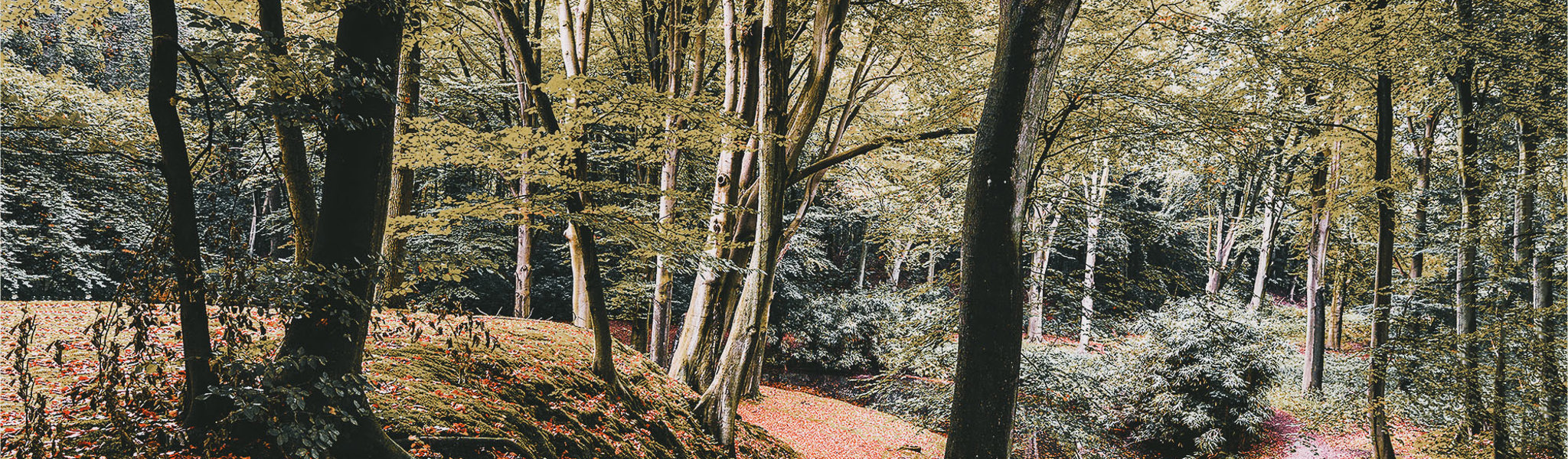

During FSC Forest Week, the Forest Stewardship Council (FSC) celebrates the role of sustainable forestry in tackling climate change, restoring biodiversity and supporting communities. At Wildfell and Devana, our habitat banks, these same principles underpin the creation and long-term management of our high-integrity Biodiversity Net Gain (BNG) Units, helping developers secure compliant biodiversity compensation while contributing to the future of UK woodlands.
Sustainable forestry balances the need for economic growth and environmental protection, ensuring forests remain healthy, diverse and productive for generations to come. By purchasing woodland BNG Units, developers can directly support the creation, restoration and management of resilient woodland habitats that deliver measurable biodiversity gains and wider ecosystem benefits.
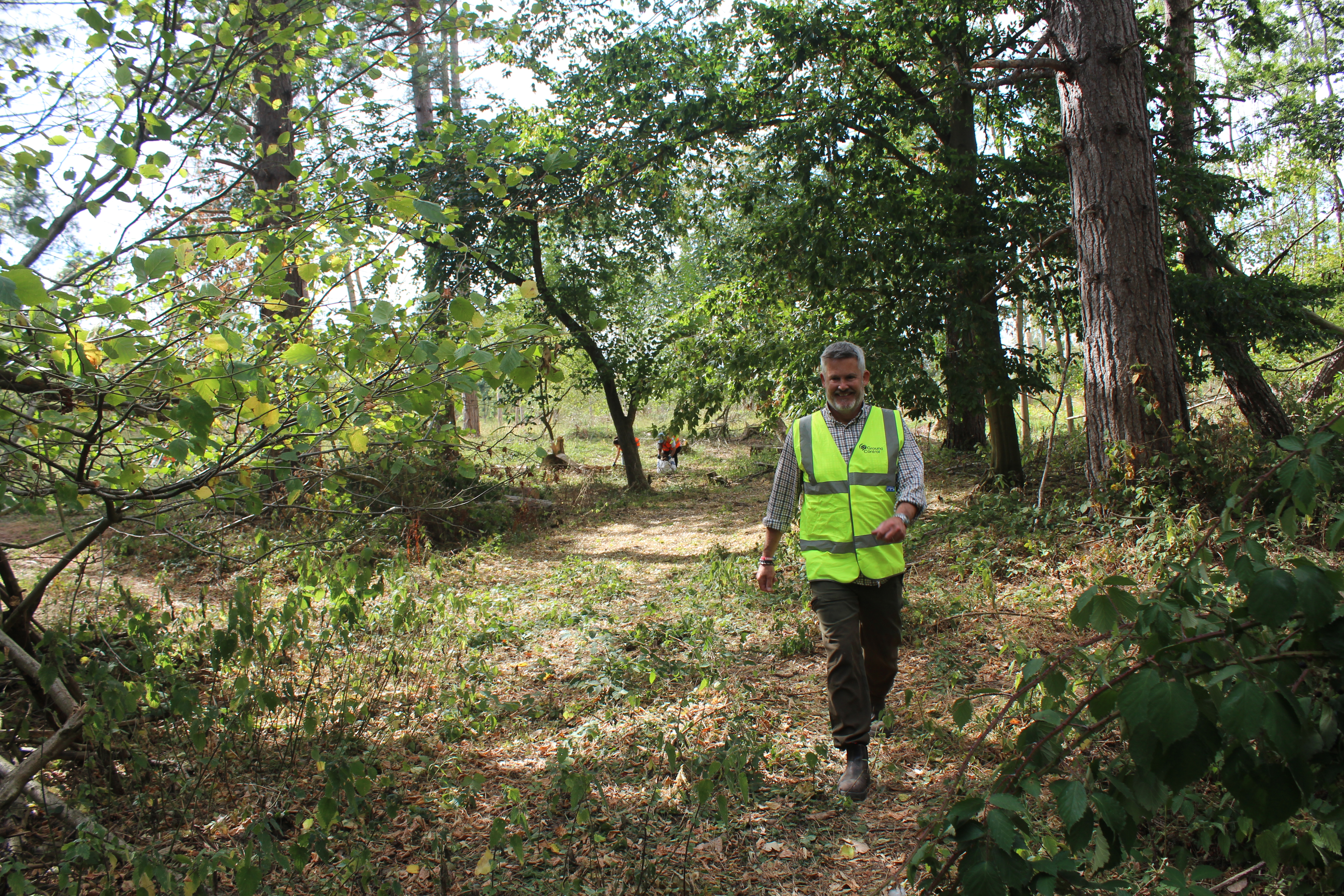
From Arable Land to Nature Recovery at Scale
Before acquisition, both Wildfell and Devana were predominantly arable farmland with limited ecological value. Existing woodland habitats were fragmented, unmanaged and disconnected from the wider landscape.
Through targeted habitat restoration and creation, we have:
- Created 145 acres of native broadleaved woodland
- Returned 60 acres of native woodland to active management
- Restored 55 acres of ancient woodland
Together, this represents more than 250 acres of woodland enhancement and creation, delivering diverse, climate-resilient habitats designed to thrive well beyond the mandatory 30-year BNG management period.
Our woodland units form part of a wider network of interconnected habitats, including wetlands, ponds and watercourses, creating ecological corridors that support wildlife movement and species diversity across the landscape.
Sustainable Forestry for Future Generations
In keeping with the principles celebrated during FSC Forest Week, our woodland creation strategy balances biodiversity recovery with long-term sustainability. Alongside native broadleaved woodland, carefully planned areas of oak and Scots pine have been established to support future timber production, ensuring these landscapes continue to provide ecological, economic and community benefits for decades to come.
Supporting Climate Action
Woodland creation plays a vital role in carbon sequestration. Across Wildfell and Devana, woodland habitats are forecast to sequester 21,240 tonnes of CO₂e over 50 years, helping to address climate change while delivering measurable biodiversity improvements.
Creating Lasting Social Value
- The benefits extend beyond ecology. Habitat creation has enabled:
- 3km of new permissive footpaths for public access
- Improved opportunities for health and wellbeing through nature connection
- Outdoor learning opportunities for local schools, community groups and project partners
- Long-term environmental education and engagement initiatives
For organisations looking to align development projects with ESG commitments, woodland BNG Units can provide demonstrable environmental and social value alongside biodiversity compliance.
Woodland BNG Units Available
Across our Wildfell and Devana habitat banks, the following woodland BNG Units are currently available for allocation:
- High Distinctiveness Woodland and Forest: Lowland Mixed Deciduous Woodland – 20 Units
- Medium Distinctiveness Woodland and Forest: Other Woodland; Broadleaved – 72 Units
These habitat types provide developers with access to high-quality off-site biodiversity compensation backed by long-term ecological management and monitoring.


High integrity BNG units registered on the official Natural England Biodiversity Gain Site Register
Get a Quote TodayBiodiversity Net Gain
Sustainable Forestry Through Woodland BNG Units

