End of Bird Nesting Season


In February, we shared a blog from Kevin Slezacek, Head of Arboriculture and Ecology, exploring how Ground Control safely delivers tree works, grounds maintenance and vegetation management during bird nesting season. While nesting season, which traditionally runs from March to August, does not prevent all maintenance activities, organisations must comply with legislation.
As we move into autumn, Kevin explains what the end of the main bird nesting season means for landowners, facilities managers and organisations responsible for maintaining outdoor spaces.
Whilst this year has been a difficult growing season for most plants, the recent rain and slightly cooler conditions have led to a late burst of growth. Unpredictable weather could mean growth continues well into October and even November as many trees are tricked into a second flush of growth. Grasslands may be overgrown, hedgerows can encroach on access routes, scrub and brambles may have spread beyond their intended boundaries, and trees can be carrying a season's worth of growth. In some cases, damaged, diseased or weakened branches may present a risk ahead of autumn and winter storms.
This makes autumn one of the most important times of year for tree maintenance, vegetation management and wider ground maintenance activities. With the main bird nesting period largely complete, organisations can assess their sites, address safety concerns and undertake essential works to improve accessibility, visibility and site presentation before winter arrives.
What works can now be undertaken?
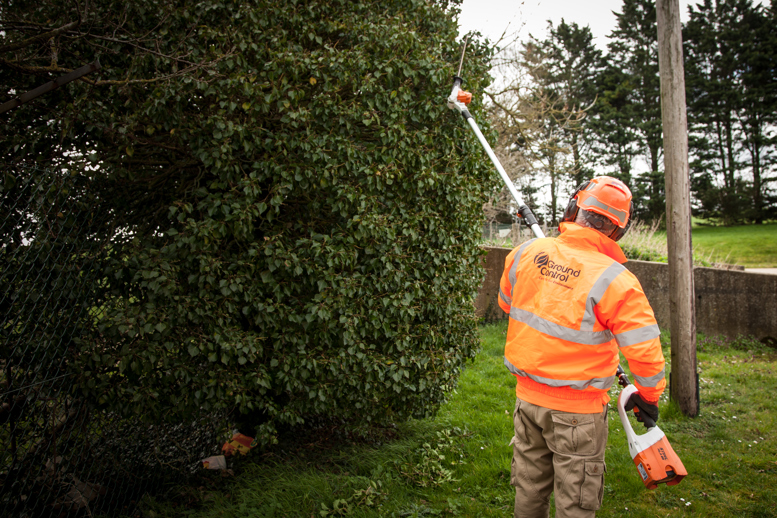
Before starting any works, it is important to consider any remaining environmental and ecological constraints. While the peak bird nesting season may have ended, late nests can still occur, especially with mild temperatures continuing, and other protected species may be present on site. However, once appropriate checks have been completed, autumn is typically an ideal time to carry out a range of vegetation and tree management activities, including:
- Tree Works: Crown lifting, crown reduction, deadwood removal, pruning and safety inspections.
- Hedge Cutting: Managing overgrown hedgerows to improve site appearance, visibility and access.
- Vegetation Management: Controlling invasive species, removing scrub, managing grasslands and clearing excessive growth.
Landscaping and site preparation: Preparing land for development, construction, enhancement projects and winter maintenance programmes.
What legal and ecological considerations remain?
Although the main bird nesting season has passed, legal obligations still apply. Sites should always be checked for any active nests before work begins, as some birds may continue nesting later into the year.
In addition, several protected species may require consideration depending on the nature and location of the works. These can include bats, Great Crested Newts and other protected wildlife. If you are unsure whether ecological constraints apply to your site, seek advice from a qualified ecologist before commencing work.
By combining ecological due diligence with proactive tree and vegetation management, organisations can safely undertake essential maintenance works while protecting biodiversity and preparing their sites for the months ahead.


The end of the nesting season is the opportunity to begin work
Book your Tree Works and Vegetation Management

You can write a strategy. But you can't deliver it without the people in the room