Why pothole repair and surface condition matter as much as your gritting plan
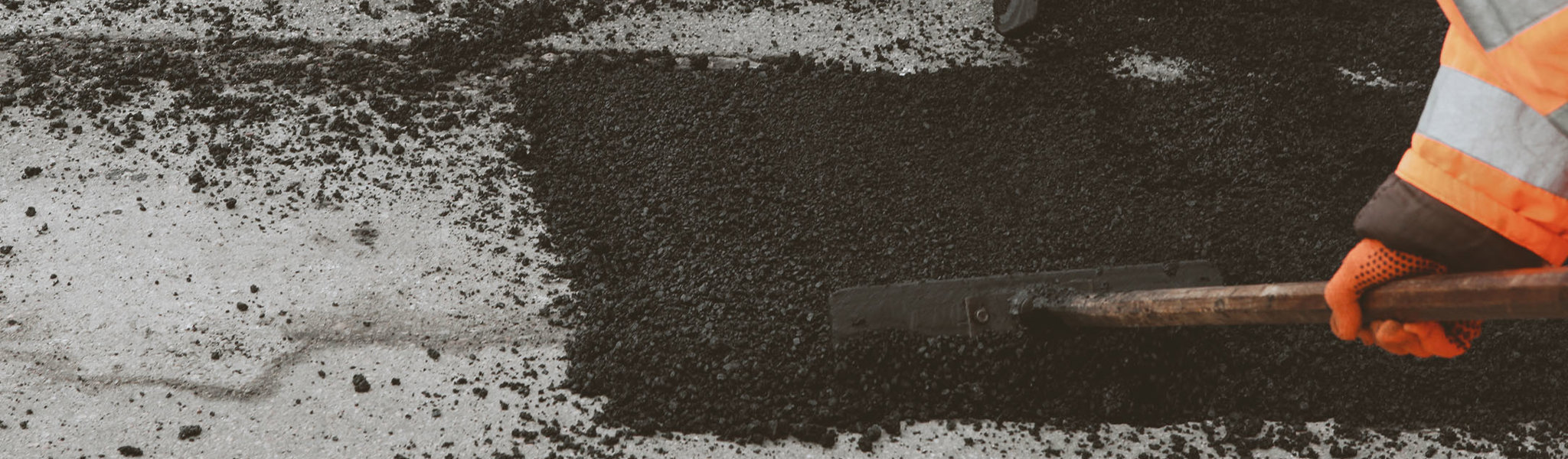

A winter maintenance plan is not just a gritting plan. Pothole repair and resurfacing need to be part of the same conversation before winter arrives.
You can have the forecasting in place, the grit ready and the winter response organised. But if the car park, access road or operational surface underneath is already starting to fail, winter will find the weakness.
Potholes, cracking and damaged surfacing are easy to put off when the weather is dry and the site is still moving.
Then the rain arrives. The days get darker. Temperatures fall. Water finds its way into existing defects and repeated freeze-thaw cycles can make the damage worse.
And no amount of salt repairs damaged tarmac.
That is why I think Road Care needs to be part of the winter conversation, not something we only think about when a pothole has become impossible to ignore.
Winter often makes an existing problem harder to manage
For an estates or facilities team, a pothole is rarely just a pothole.
It can be a trip hazard. A vehicle risk. A problem on an access route or loading area. Something that fills with water and becomes harder to see in poor weather and low light.
That matters from a liability point of view too. Shorter daylight hours, poorer visibility, wet surfaces and standing water can make existing defects harder for pedestrians and drivers to spot, increasing the risk of slips, trips and vehicle damage. For estates and facilities teams, the concern is not just the defect itself but the potential for incidents and public liability claims, particularly across multi-site estates where the same issue can be repeated at scale.
And during winter, the condition of the surface can also affect the job your winter maintenance team is trying to do. Grit and salt need to treat the surface. If material is collecting in potholes and damaged areas instead, you are asking the winter service to work around a problem that was already there.
So before asking whether a site is ready for gritting, it is worth asking a more basic question:
Is the surface itself ready for winter?
Is your site ready for winter?
If you have potholes, cracking or deteriorating surfaces across a car park, access road or operational site, send us a photo and the site postcode. Our Road Care Solutions team can advise on the right next step and, once we have seen the photos, can offer a free condition check if useful.


Request a quote
Get in touchThe five-minute site check: look at the surface before the weather makes the decision for you
The best time to find a problem is before it becomes urgent.
That does not mean every crack needs a major resurfacing programme or every defect needs the same solution.
It means understanding what is happening across the site and deciding what needs action now, what can be repaired safely and what should be planned properly for later.
Take five minutes and walk the site. Before winter, I would be looking particularly at:
potholes or failed repairs that are already holding water
cracking or breaking-up surfaces in high-traffic areas
access roads, loading areas and car parks where defects could affect vehicles or pedestrians
areas where drainage or standing water is contributing to surface deterioration
recurring defects that may point to a wider issue rather than another isolated repair
The important bit is not simply finding faults.
It is making a sensible decision about them.
Not every repair has to be the same
One of the things I like about the way our Road Care team approaches this is that the answer does not have to begin with a particular repair method.
Sometimes the immediate priority is making an area safe.
Sometimes a more permanent repair makes sense.
Sometimes the defect is telling you that a wider section of surface needs attention.
And sometimes budget or operational constraints mean doing the right thing now and planning the longer-term work at a sensible point later.
That is a much better conversation than waiting until a defect becomes an emergency and having winter dictate the timetable.
The starting point should be the site, the risk and what the customer needs the surface to do.
Then we work backwards from there.
Gritting and Road Care should not live in separate boxes
This is probably the biggest point.
If a business is already thinking about winter gritting, somebody is already thinking about keeping its sites safe, accessible and operational through difficult weather.
Road Care is part of exactly the same outcome.
For a multi-site estate in particular, there is an opportunity to look at the two together.
Where are the known surface problems?
Which sites repeatedly need repairs?
Where could a relatively small intervention now stop a defect becoming a much bigger operational headache later?
And where should we stop reacting to individual potholes and start thinking about the condition of the asset as a whole?
That does not mean turning every defect into a large programme of work.
Quite the opposite.
Good asset management is partly about knowing what does not need doing yet.
Already reviewing your winter maintenance?
It may be worth reviewing the surfaces underneath it at the same time.

From reactive repair to planned care
There will always be reactive work. Roads and car parks get used, surfaces deteriorate and unexpected damage happens.
But if every conversation starts when somebody reports a pothole, we are missing an opportunity.
A better approach is to use those individual defects as information.
If the same areas keep failing, why?
If one site needs repeated attention, what is happening underneath?
If a business operates dozens or hundreds of locations, can we identify which ones need attention before the weather or an incident makes them a priority?
That is where Road Care becomes more than filling holes.
It becomes part of looking after the places people, vehicles and businesses depend on every day.
And that is much closer to how we think about the wider Ground Control business.
Start with the customer's problem.
Understand the asset.
Bring in the right expertise.
Then do the work that genuinely needs doing.
Winter readiness starts at ground level
There is a tendency with winter planning to look upwards.
What is the forecast? When will temperatures drop? Is snow coming?
Those things obviously matter, and are covered on LinkedIn in a 'Winter Weather' Newsletter by Pete Brown, our Winter Services Decision Maker.
But before winter arrives, it is worth looking down as well.
Look at the car park.
Look at the access road.
Look at the loading areas and the routes people use every day.
If the surface is already telling you there is a problem, dealing with it before winter is usually a much better place to start than waiting for January to make the decision for you.
Ground Control's Road Care Solutions team can help assess existing surface defects and work through what needs attention now, what can wait and whether a temporary repair, permanent repair or wider resurfacing approach is the right answer.
If you are already reviewing your winter maintenance, it is the ideal time to look at the condition of the surface underneath it too.
A temporary repair makes the site safe quickly. A permanent repair lasts longer and suits busy areas. We recommend one based on size, traffic and budget.
Grit and salt collect in potholes instead of treating the surface, and freeze-thaw widens damage. Repairing first makes gritting work and limits the post-winter bill.
A visit to assess the whole car park and tell you what needs fixing now and what can wait.
Yes. Ground Control provides winter gritting and surface repairs through one team.
KEEP YOUR SITE SAFE AND MOVING THIS WINTER


Forecast-Informed Winter Readiness for Commercial Properties